



Start With the Cufflinks: How Accessories Define a Man's Style (Not the Other Way Around)
Summary-
Most men build an outfit from the inside out, starting with the suit and ending with a tie clipped on as an afterthought. But the men who always look put-together do it differently. They think about accessories first, and clothes second. This blog explores how small details, including cufflinks, ties, and shoes, shape a man's style more than any suit ever could, and why shopping at the best online shopping sites for clothes with intention can completely change how you dress.
The Small Things Leave the Biggest Impression
A suit is a background. It sets the stage, but it does not tell the story. The cufflink at your wrist, the tie pin at your chest, or the belt looped through your trousers, those details do the talking. People may forget the color of your jacket, but they remember the man who wore the silver knot cufflinks or the burgundy pocket square folded just right.
This is not a minor point. Studies in social psychology consistently show that people form impressions within the first seven seconds of meeting someone. Clothing is noticed, but accessories are remembered. They signal effort. They signal taste. And more often than not, they signal confidence.
Why Men Get This Backward
Most men shop for clothes first. They find a suit they like, buy it, then scramble to find shoes and a tie that match. It works, but only barely. The result is often a perfectly fine outfit that feels assembled rather than considered.
The smarter approach is to flip the process entirely. Start with one statement accessory, and then build around it. A pair of deep navy cufflinks with a gunmetal finish, for example, tells you exactly what shirt collar to choose, what suit color would frame it well, and even what shoes would complete the look. The accessory becomes the anchor, and everything else follows naturally.

This approach is not about being flashy. It is about having a clear starting point. Menswear with a strong anchor piece almost always looks more coherent than a suit assembled without one.
What Cufflinks Actually Tell People About You
Cufflinks are the most underrated accessory in men's fashion. Most men own zero pairs. The ones who do wear them are immediately set apart, not because cufflinks are rare, but because they signal a man who paid attention to something most skipped.
The shape, finish, and size of a cufflink all communicate something:
- Bullet-back cufflinks in silver or gold read as traditional and polished. They work for boardrooms, formal dinners, and any occasion where you want to look authoritative.
- Silk knot cufflinks are relaxed but still refined. They pair well with linen or textured shirts and give a softer, more approachable look.
- Novelty cufflinks, small shapes like chess pieces or compass dials, add personality without being loud. They open conversations.
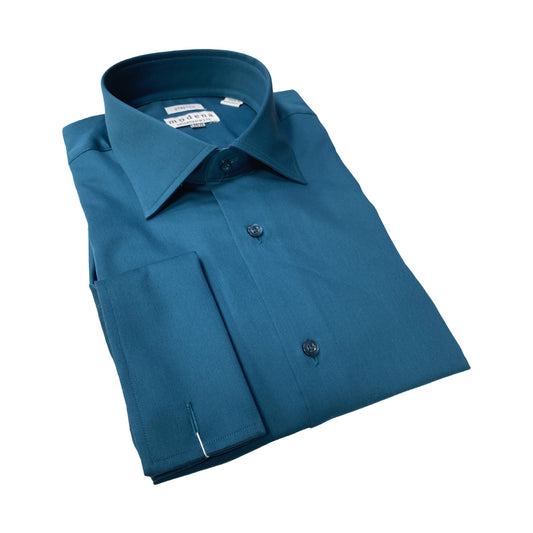
The key is matching the cufflink's personality to the occasion, not to the shirt color. A silver geometric cufflink can pair with a white, pale blue, or even a soft teal dress shirt. It is the formality of the piece that guides the pairing, not just the color.
Ties Are Not Optional, They Are Architectural
A tie does more than fill the gap between collar and chest. It adds vertical structure to the upper body, creates contrast, and tells the viewer where to look. Remove the tie, and a suit often looks unfinished, especially on broader body frames.
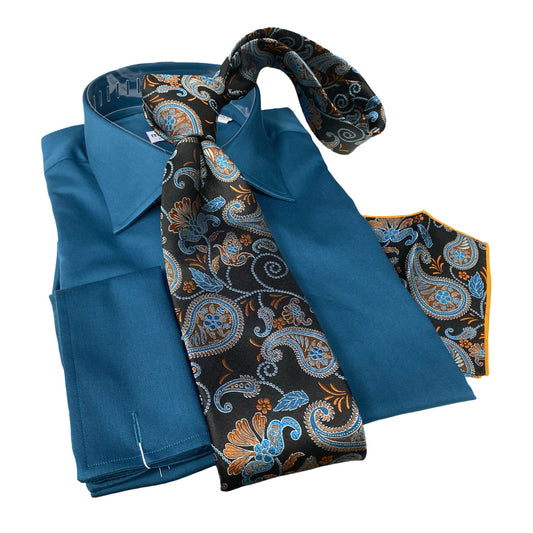
Dolce vita clothes carry a range of silk ties that show how much variation exists within a single accessory category. A slim tie in a deep jewel tone reads completely differently from a wider tie in a textured knit, even if both are the same color. Width, texture, pattern, and knot size all change the visual weight of the tie and, by extension, the entire outfit.
The four-in-hand knot suits most collars and most occasions. The half-Windsor adds formality and works well with spread or semi-spread collars. The full Windsor is reserved for peak lapels and wide collars, and it is a strong choice for weddings, presentations, or anywhere you want to look like you meant business from the moment you walked in.
Shoes Tie Everything Together (Literally)
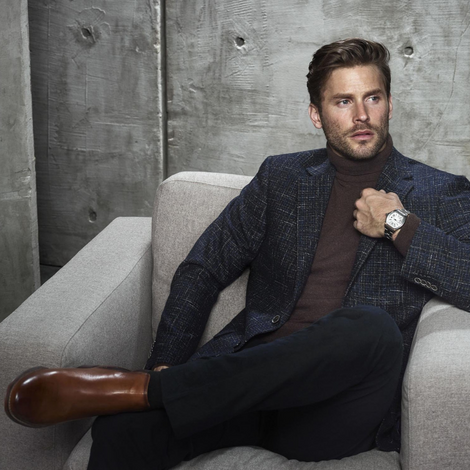
Before a word is spoken, shoes communicate social awareness. A man in an excellent suit wearing scuffed or mismatched shoes looks like he ran out of time. A man in an average suit with well-chosen, clean leather shoes looks like someone who has a sense of standard.

This is exactly why shoes deserve more budget and more attention than most men give them. A single pair of quality oxfords in dark cognac leather can anchor brown, grey, navy, and even certain shades of green. Exotic skin shoes, crocodile, ostrich, or snake, go further still. They add texture to a monochrome outfit and immediately communicate that the wearer is not buying what everyone else is buying.
The rule most stylists agree on: spend as much on your shoes as you spend on your jacket. The shoes carry the outfit to the floor. They are the last thing a person sees as you walk away.
Belts, Pocket Squares, and the Supporting Cast
Good accessories work as a system. The belt should echo the shoes, not necessarily match exactly, but align in tone and finish. A dark chocolate belt with black shoes creates a noticeable clash. A dark brown belt with cognac brogues pulls the look together.
Pocket squares are an easy win that most men ignore. A simple white linen square folded flat in the breast pocket adds a clean, finished quality to even a basic suit. Folded into a puff, it becomes more expressive. Printed silk squares push the look toward personality. None of this requires expensive taste. It requires five minutes of thought before leaving the house.
Bow ties, when worn outside of strictly formal events, communicate confidence. Not many men are comfortable in a bow tie at a semi-formal dinner. The ones who are tend to own the room.
People Ask, We Answer: Men's Accessories and Style
Q1. Do cufflinks make a significant difference to an outfit?
A1. Yes, they do. Cufflinks are one of the few accessories that are visible throughout an entire conversation, at the wrist level, during handshakes, and across meeting tables. They signal that you finished getting dressed instead of stopping halfway. In formal settings, they shift the impression from "well-dressed" to "intentionally dressed."
Q2. Can I wear cufflinks with a regular button shirt?
A2. No, cufflinks require a French cuff or double cuff shirt, where the cuff folds back on itself and is secured with a link rather than a button. A regular barrel cuff shirt has buttons and cannot accommodate cufflinks. French cuff shirts are widely available and work for both business and formal occasions.
Q3. What is the easiest way to start building a coordinated accessory wardrobe?
A3. Start with neutrals. A pair of silver or gunmetal cufflinks, a navy or burgundy silk tie, and a dark leather belt will pair with more outfits than almost any other combination. Once those are in place, you can add color and personality through pocket squares and novelty pieces.
Q4. How do I match a tie to a suit without making it look random?
A4. The tie should contrast with the shirt and complement the suit, not copy either. A navy suit with a white shirt works with a burgundy, gold, or forest green tie. Avoid matching the tie exactly to any element of the outfit. The tie is meant to add a layer, not blend into one.
Q5. Are pocket squares necessary for everyday office wear?
A5. Not necessary, but consistently impactful. A plain white or cream pocket square folded flat adds almost no effort to the morning routine and immediately distinguishes a dressed-up look from a dressed-down one. For formal or client-facing days, it is worth the extra step.
Q6. What shoe styles work across the most occasions?
A6. Dark brown or oxblood oxfords are the most versatile. They work with navy, grey, charcoal, and many earth-toned suits. Black cap-toe oxfords are the most formal option. Loafers in suede or leather bridge smart casual and business casual well.
Q7. How often should I update my accessories compared to my suits?
A7. Accessories should be updated more frequently than suits. A quality suit can last five to ten years with proper care. Ties, pocket squares, and even cufflinks trend on much shorter cycles. Refreshing your accessories every one to two seasons keeps the overall look current without replacing your core wardrobe.
Your Style Does Not Start in the Fitting Room
The best-dressed men are not always wearing the most expensive suits. We carry a curated collection of men's accessories and tailored clothing at Dolce Vita Fashions because we believe that dressing well should never feel complicated. Our Dolce Vita clothes range is built around the idea that quality pieces, chosen thoughtfully, create a wardrobe that works harder for you. If you are shopping for pieces that will genuinely hold up, in quality and in style, we are one of the best online shopping sites for clothes for men who take dressing seriously.