




Glen Plaid, Windowpane, or Pinstripe? Choosing the Right Pattern in Men's 3-Piece Suits
Summary
Glen plaid, windowpane, and pinstripe can make the same three-piece suit feel very different. One offers layered checks, another uses open grid lines, and the third relies on vertical stripes. Understanding each pattern helps you choose a suit for your style, workplace, or event, then pair it with shirts and ties that keep the overall look balanced, with less guesswork.
One Three-Piece Suit, a Very Different Look
A suit pattern changes how the jacket, waistcoat, and trousers read together, even in familiar colors like gray, brown, or blue. Since a three-piece suit repeats the pattern across the vest, choose one you feel comfortable wearing, not just one that looks striking in a product photo. This is an important detail when comparing men’s 3 piece suits.
Glen Plaid: Detail That Rewards a Closer Look
Glen plaid, sometimes called Glen check, combines small checks with larger shapes to create a layered pattern. From several feet away, it may look like a fine texture; up close, the smaller and larger checks become clearer.
Glen plaid suits men who want detail without one large, bold design. It can work for business events or dinners when a solid suit feels too plain but a high-contrast pattern feels excessive.
Dolce Vita Fashions features the Tiglio men's 3-piece 100% wool Glen Plaid suit in a modern fit. Pair it with a plain white or pale blue shirt and a solid navy, burgundy, or dark gray tie. The checks already add detail, so another strong print is rarely needed.
Windowpane: Open Lines With More Breathing Room
A windowpane pattern uses thin lines to form large squares or rectangles. Compared with Glen plaid, its open grid leaves more of the base fabric visible.
The Tiglio men's 3-piece 100% wool brown windowpane suit offers a brown base with a clear grid. A cream, white, or pale blue shirt keeps the brown base looking clear and balanced.
Keep the tie simple when the grid is easy to see. A solid tie works well, while a small pattern can add interest if its scale differs from the suit's checks. A bold checked shirt is harder to balance.
Pinstripe: A Clear Vertical Line
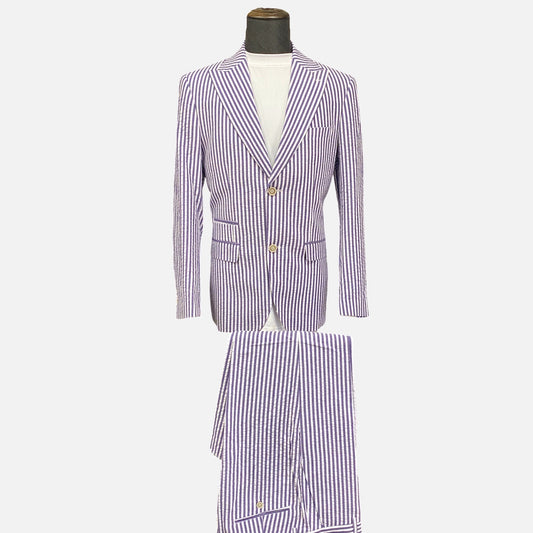
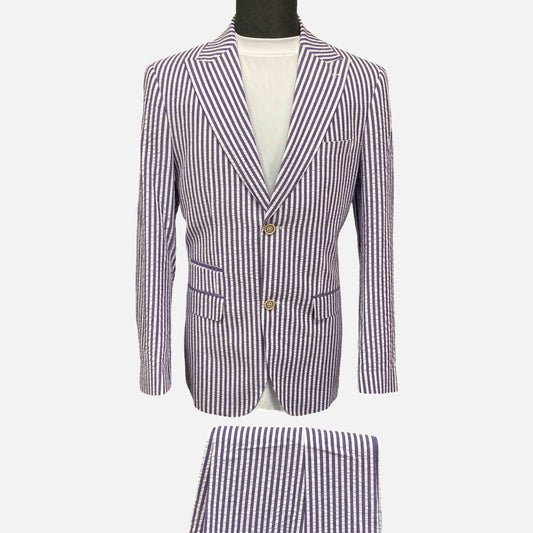
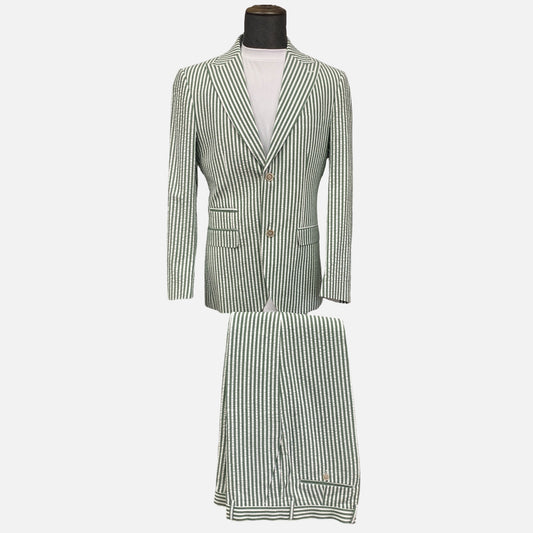
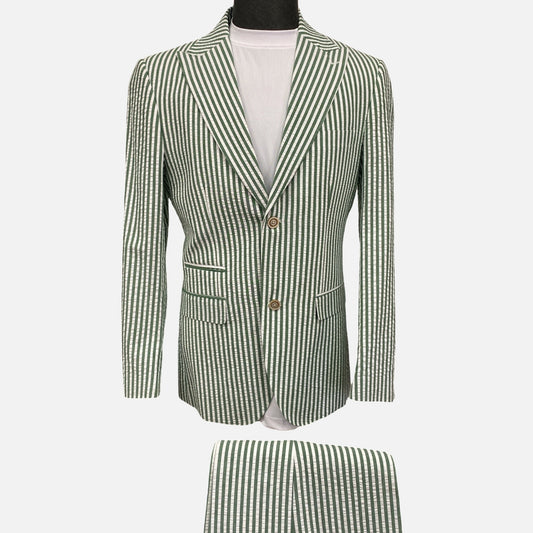
Pinstripe suits use narrow vertical stripes running down the fabric. The lines create a more directional look than checks, and pinstripes are often associated with business and traditional suiting.
The Tiglio Rosso blue pinstripe 3-piece suit is listed in 100% wool with a modern fit, peak lapel, double vents, and flat-front trousers. Its blue color gives the traditional pattern a fresh option beyond standard black or charcoal.
Stripe contrast matters. Fine lines in close shades look restrained, while bright stripes against a dark base stand out. A plain shirt lets the vertical lines remain clear.
Fit matters with pinstripes. A jacket that pulls or twists can make the vertical lines look uneven, so check the shoulders, closure, and trouser drape.
How the Waistcoat Changes the Pattern
A three-piece suit repeats the cloth across the jacket, waistcoat, and trousers. The vest fills the space between shirt and jacket, putting more attention on the center front.
The vest repeats each pattern across the torso, especially when the jacket is unbuttoned or removed. This makes the choice of checks or stripes more noticeable than it might be on a jacket worn alone.
The waistcoat should lie smoothly without pulling at the buttons or leaving gaps around the armholes. Check the fit standing and sitting, since the fabric may move differently on your body.
Shirts and Ties: Keep the Pattern in Charge
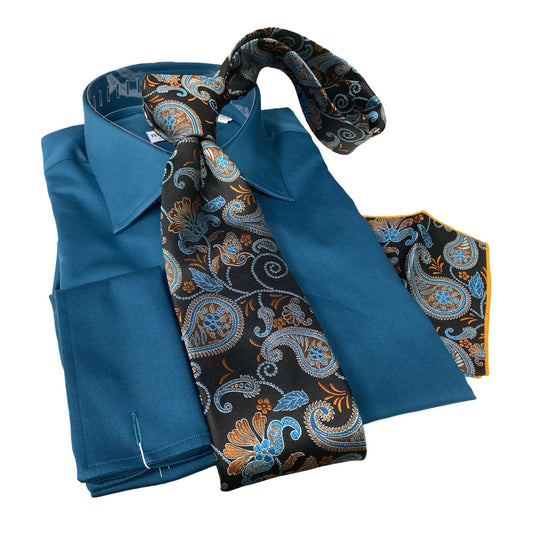
When the suit already carries a pattern, the shirt and tie should support it. A solid shirt is the easiest starting point; the tie can add a little color or texture.
- Glen plaid: Try a white or pale blue shirt with a solid tie. A small tie pattern can work if it clearly differs in scale from the checks.
- Windowpane: Choose a solid shirt and a tie that picks up a color from the suit, such as navy or brown.
- Pinstripe: A plain shirt and a solid or discreetly patterned tie keep the vertical lines easy to see.
Pattern mixing is possible, but scale matters. A small shirt print may work with a larger suit pattern, while checks on the suit, shirt, and tie can make the outfit look crowded. Gentleman's Gazette explains the differences among checks, grids, and windowpanes in menswear, including how pattern scale affects the look.
Look Beyond the Pattern When Buying Wool Suits
A strong pattern cannot make up for a poor fit or unsuitable fabric. Before choosing among wool suits for men, review the cloth composition, fit notes, care information, and the actual measurements.
Wool is valued for its drape and recovery from light creasing, but weave, cloth weight, lining, and construction also affect the suit's feel. Check the product details rather than relying on the fiber name alone.
Check jacket and trouser measurements separately. A listed jacket size may come with a trouser waist unlike your usual size. Trouser hemming can be simple; a jacket that does not fit the shoulders is harder to correct.
Use close-up product photos to check the pattern's scale and alignment near pockets, seams, and the front closure.
Questions to Help You Choose a Suit Pattern
Q1. Which three-piece suit pattern is easiest to wear regularly?
A1. Glen plaid in a subtle color combination can be flexible because its small checks may look understated from a distance. Low-contrast pinstripes can also suit a business wardrobe.
Q2. Is windowpane more noticeable than Glen plaid?
A2. It depends on line contrast and scale. Large, contrasting windowpane lines stand out clearly, while Glen plaid has a denser arrangement of checks.
Q3. Can you wear a patterned shirt with a Glen plaid suit?
A3. Yes, but choose a restrained print and keep the tie simple. A solid shirt is easier to coordinate if you are unsure about mixing patterns.
Q4. Are pinstripe suits only suitable for office wear?
A4. No. A pinstripe suit can work at dinners, celebrations, and other events when its color and styling suit the dress code.
Q5. What tie color works with a brown windowpane suit?
A5. Navy, burgundy, dark green, or a deeper brown can complement the suit. Choose a shade that remains distinct from both the shirt and the suit's base color.
Q6. Should the waistcoat have the same pattern as the jacket?
A6. In a traditional three-piece suit, the waistcoat usually uses the same cloth as the jacket and trousers. This creates a coordinated set.
Q7. How can you tell if a suit pattern is too bold for you?
A7. View it from a few steps away, not only in a close-up photo. If the pattern grabs more attention than you prefer, try finer lines or lower contrast.
Q8. What should you check before ordering a three-piece suit online?
A8. Review the fabric composition, fit description, jacket and trouser measurements, included pieces, care details, and current size availability. Accessories shown in product photos may be sold separately.
Three Patterns, Three Different Impressions
Glen plaid has a heritage feel, brown windowpane checks bring a softer contrast, and blue pinstripes lend a suit a crisp, businesslike edge. Each pattern makes a different statement, so personal taste matters more than following a fixed rule.
Dolce Vita Fashions features all three designs in its men’s 3-piece suit collection. The fabric and cut deserve as much attention as the pattern itself. Well-chosen wool suits for men can earn a regular place in your wardrobe when their colours, proportions and overall character work with the clothes you already wear.