
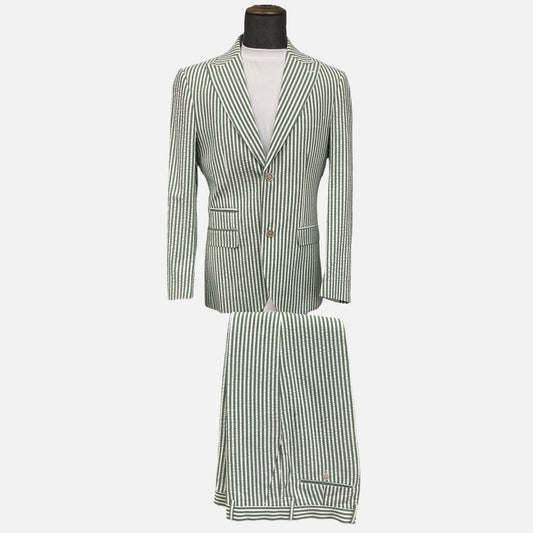
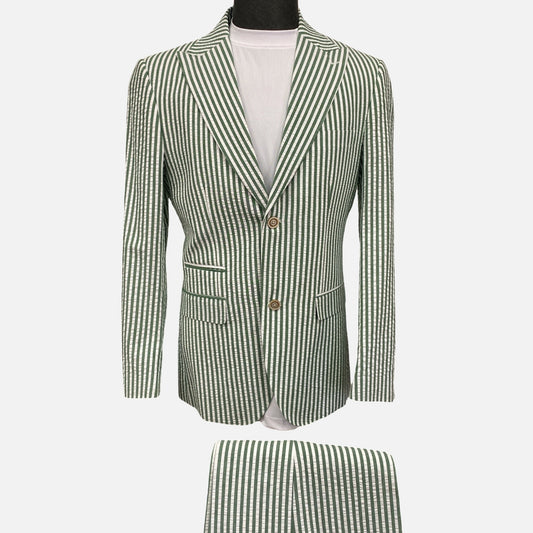





Suit, Shirt, Shoes: How to Shop a Complete Outfit From One Site Instead of Three
Summary-
Shopping for a full outfit across three different stores often leads to mismatched colors and wasted time. This blog explains why building a suit, shirt, and shoe combination from one source works better, especially for anyone comparing the best online shopping sites for clothes before placing an order.
The Challenge of Matching Clothes From Different Retailers
Buying a suit from one store, a shirt from another, and shoes from a third sounds harmless until the outfit actually arrives. Colors that looked similar on different screens suddenly clash in person. Sizing charts that seemed consistent turn out to vary by brand, and the whole outfit ends up feeling disjointed instead of put together.
This happens more often than people expect, and it is rarely about taste. It is about logistics. Each store uses its own photography lighting, its own size charts, and its own product descriptions, which makes matching pieces across three different checkouts harder than it should be.
Why Splitting Purchases Across Stores Creates Problems
Shopping for separate pieces across multiple stores multiplies the number of variables you have to manage. A navy suit from one retailer might photograph lighter than it looks in person, while a "matching" shirt from another store could carry an undertone that clashes once both items sit side by side.
Shipping times add another layer of frustration. If the suit arrives a week before the shirt, you have no way to confirm the full outfit works until everything finally shows up. Return windows may already be closing on at least one item by the time the last piece arrives.
Sizing inconsistency is the biggest issue most people run into. A 42R jacket from one brand can fit differently from a 42R from another, and the same applies to shirt collar sizes and shoe widths. Without a shared sizing logic across the outfit, guesswork becomes unavoidable.
What Changes When You Shop One Site for the Whole Look
Buying a suit, shirt, and shoes from a single store removes most of that guesswork. Product photography stays consistent across the catalog, so the colors you see on one page translate more reliably to another. Descriptions tend to follow the same format too, which makes comparing fabric content and fit details much faster.
People comparing the best online shopping sites for clothes often overlook this consistency factor, even though it solves most of the matching headaches before they start.
Sizing also becomes easier to predict once you understand how one retailer measures its garments. After buying a shirt in your size, ordering trousers or a jacket from the same store usually involves less trial and error, since the brand's general sizing logic carries over.
Returns get simpler as well. Instead of tracking three separate return policies, deadlines, and shipping labels, you are managing one. That alone saves a meaningful amount of time, especially for anyone juggling a packed week around a big event like a wedding or an interview.
How to Build a Coordinated Outfit in One Shopping Session
Start with the piece that has the least flexibility, which is usually the suit or blazer. Once that color and fit are locked in, choosing a shirt becomes simpler since you are matching against one fixed reference instead of guessing blind.
A few practical steps make this process smoother.
- Pick the suit or blazer color first, since shirts and ties are easier to adjust around it
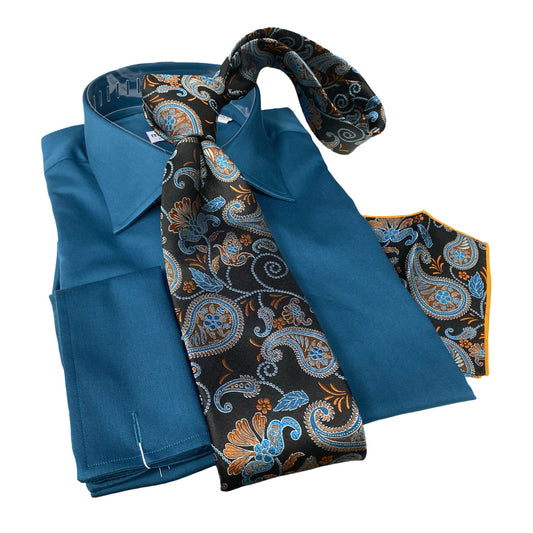
- Choose a shirt that contrasts gently rather than matching exactly, since true matching often looks flat
- Match the shoe leather tone to the belt, not the suit, since belts and shoes read together visually
- Save tie or accessory choices for last, since they are the easiest piece to swap later
Working through the outfit in this order avoids the common mistake of starting with shoes or accessories first, which often forces the rest of the outfit into a corner.
Color and Fabric Coordination without the Guesswork
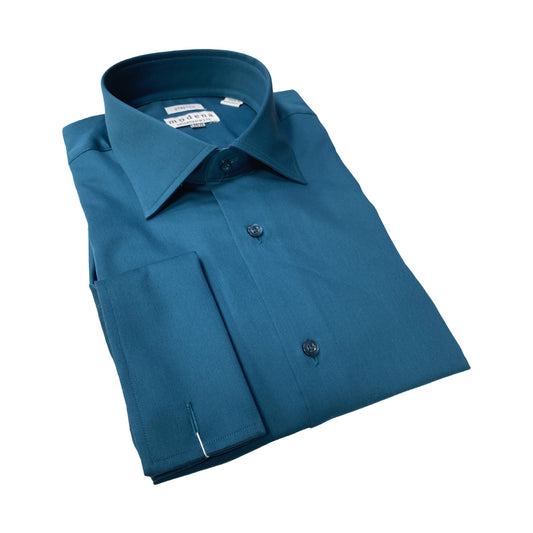
Color matching gets easier once everything sits on the same screen, in the same lighting, and in the same product description format. A charcoal suit next to a light blue shirt on one side shows you the real contrast immediately, instead of relying on memory while browsing somewhere else.
Fabric content also matters more than most shoppers realize. A wool blend suit paired with a stiff, heavily starched shirt fabric can feel mismatched in texture even if the colors work. Reading fabric percentages, like cotton-polyester blends for shirts or wool-silk blends for suits, helps predict how each piece will move and wrinkle once worn together.
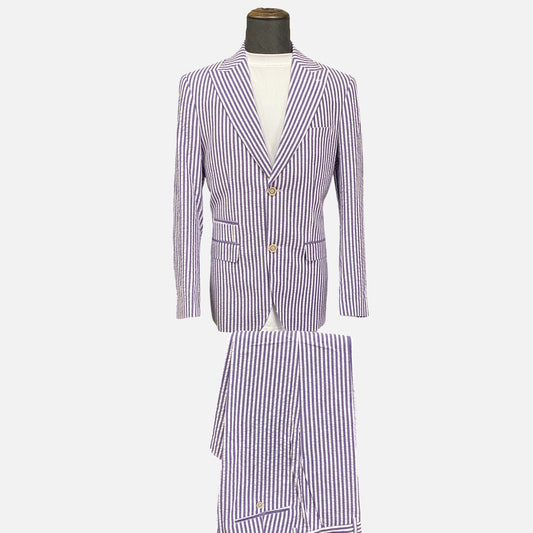
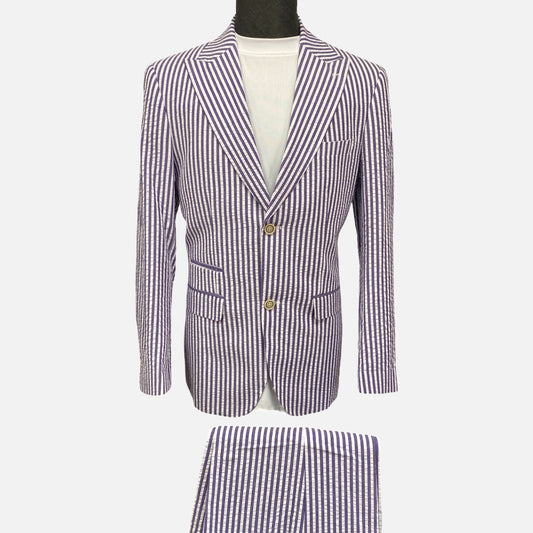
Seasonal fabric choices also stay easier to track in one place. Linen and seersucker pieces cluster together for warmer months, while wool blends and heavier suiting show up for cooler weather, which makes building a season-appropriate outfit faster than cross-referencing separate seasonal collections on different sites.
The Hidden Cost of Cross-Store Shopping for Big Occasions
Weddings, interviews, and formal events come with deadlines that do not move. Splitting your outfit across three retailers means three separate shipping estimates, three separate chances for a delay, and three separate customer service lines if something goes wrong close to the date.
This is the area where single-site shopping makes the biggest practical difference. A delay on one item from one store is stressful enough, but a delay split across three checkouts multiplies the risk of an incomplete outfit on the day that matters most.
FAQs: Building a Complete Outfit From One Online Store
Q1. Is it actually cheaper to shop for a suit, shirt, and shoes from one site?
A1. Not always, but it often saves money on shipping costs and reduces the chance of buying a piece twice due to a bad color match.
Q2. How do I know if a suit and shirt color will actually match before buying?
A2. Compare them on the same product page format and lighting, and look at the listed fabric content, since undertones often show up more clearly when described consistently.
Q3. Does shoe sizing usually match suit sizing logic at the same store?
A3. Not directly, but most stores use a consistent measurement approach across categories, which makes fit more predictable once you know your usual size there.
Q4. What is the safest first piece to buy when building a full outfit?
A4. The suit or blazer, since its color and fit are harder to adjust later compared to shirts, ties, or shoes.
Q5. Should shoes match the suit color or the belt color?
A5. Shoes should match the belt color, since these two pieces are read together visually far more often than shoes and suits are.
Q6. Are seasonal fabrics like linen or seersucker harder to coordinate across multiple stores?
A6. Yes, since seasonal collections often launch at different times across retailers, it's harder to find matching seasonal pieces at the same time.
Q7. How early should I shop for a complete outfit before a wedding or interview?
A7. At least three to four weeks ahead, which allows time for sizing adjustments, exchanges, or last-minute color changes if needed.
Q8. Can buying everything from one store still allow for personal style variation?
A8. Yes, most stores carry multiple fits, colors, and fabric options, so personal style choices remain wide open even within one catalog.
Build the Whole Look, Not Just One Piece
Putting together an outfit gets a lot easier when the suit, shirt, and shoes are designed to complement each other from the start. It saves time, cuts down on returns, and removes much of the guesswork.
At Dolce Vita Fashions, you'll find coordinated suits, dress shirts, and shoes in one place, with consistent sizing and fit information across the collection. If you're shopping in Baltimore City and want a polished look without the hassle, explore our collection and build an outfit that comes together with confidence.