




Seersucker vs. Smooth Cotton Shirts: What Difference Does the Texture Make?
Summary
Seersucker and smooth cotton shirts can share the same color yet create very different looks. Seersucker's puckered surface adds texture and can sit slightly away from the skin. Smooth cotton has a flatter finish suited to clean, versatile outfits. Understanding weave, comfort, care, and styling helps you choose the right shirt for warm days, work, and casual plans with confidence.
The Difference You Can See and Feel
A shirt can be light blue, button-front, and made from cotton, yet look completely different from another shirt with the same basic features. Sometimes, the biggest difference comes from the weave rather than the color or cut.
Recognizing fabric texture helps you look beyond the product photo. Seersucker has a puckered surface, while smooth cotton usually has a flatter finish. Each brings something different to a wardrobe, and knowing how they compare can help you make a better choice.
What Makes Seersucker Different From Smooth Cotton?
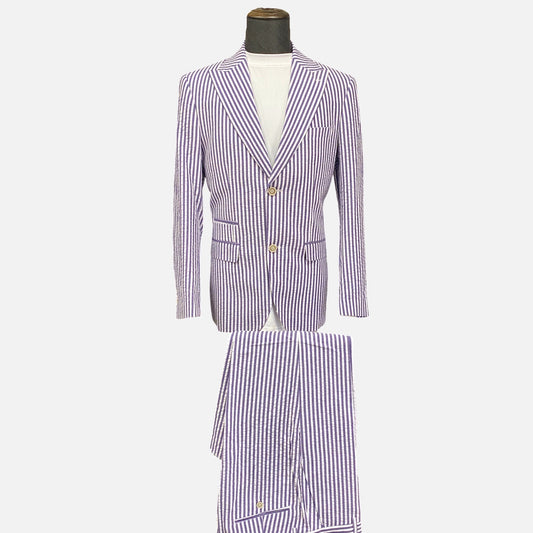
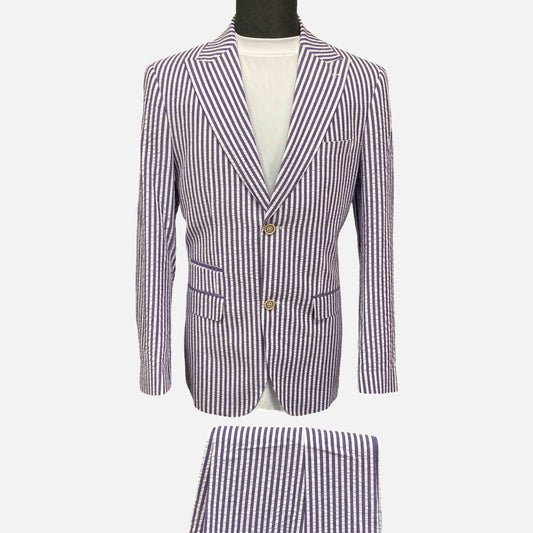
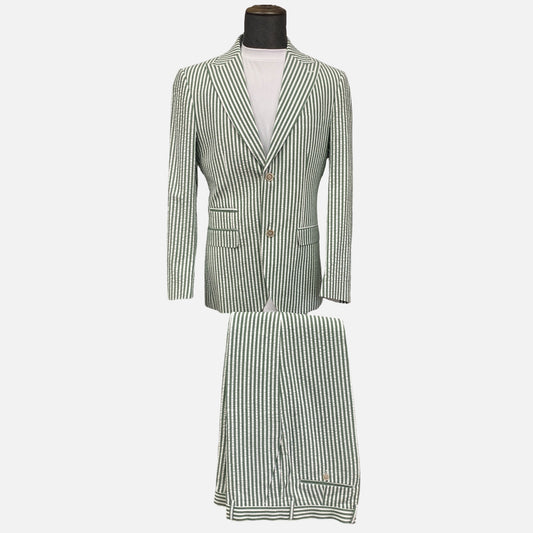
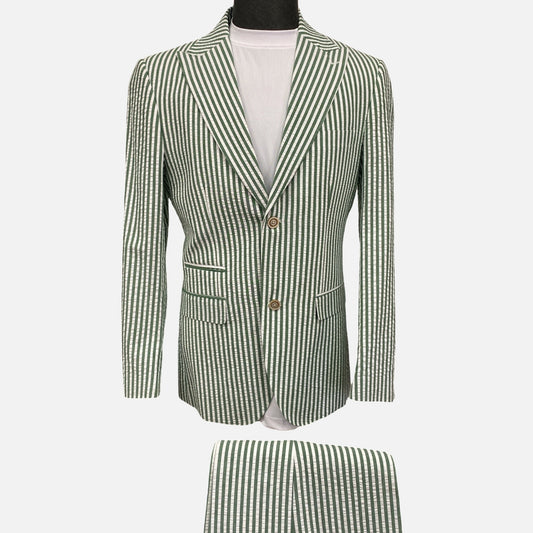
Seersucker gets its distinctive appearance from the way its yarns are woven. Different levels of tension create alternating raised and flatter sections, producing the small ridges and puckers associated with the fabric.
Smooth cotton shirts generally have a more even surface. Poplin and broadcloth are common examples, although their exact texture depends on the yarn, weave, and finish.
One detail matters when comparing product descriptions: cotton refers to a fiber, while seersucker describes a type of fabric construction. A seersucker shirt can contain cotton alone or a blend of fibers, so the name does not tell you the full composition.
The Gentleman's Gazette guide to seersucker explains how this characteristic surface is produced. Understanding the construction helps explain why two shirts made with similar fibers can have such different appearances.
How Does Each Fabric Feel When You Wear It?
Seersucker's raised sections can keep parts of the fabric slightly away from the skin. This may help air circulate between the cloth and your body, making it a useful option in warm weather. Its actual comfort depends on the shirt's weight, weave, fit, and fiber blend.
Smooth cotton offers a more even surface against the skin. A lightweight version can feel comfortable on a warm day, while a denser fabric may suit cooler conditions or outfits requiring more structure.
The difference is noticeable when you move, too. Seersucker's uneven surface gives it a more relaxed character, while smooth cotton often drapes in a cleaner line. Neither fabric guarantees a better fit; shoulder width, sleeve shape, and chest measurements still matter.
Moss's guide to seersucker fabric discusses how the puckered construction creates small air gaps. This explains one practical reason the fabric remains popular for warm-weather clothing, although the shirt's complete construction still influences comfort.
Which Fabric Suits Your Personal Style?
The fabric of a shirt affects its texture, appearance, and how easily it pairs with the rest of your wardrobe. Smooth cotton has a clean finish that works well with tailored chinos, dark jeans, and blazers. A white or pale blue shirt keeps the outfit understated and suits a range of occasions.
Seersucker brings more texture to an outfit, even in a simple color. A striped design adds interest to plain trousers, while a solid or low-contrast option offers a subtle change in texture without making the shirt stand out too much.
Your choice also depends on the occasion and the other pieces in your outfit. Seersucker suits garden gatherings, casual lunches, and relaxed weekend events. Smooth cotton works well in similar settings, particularly when the shirt has a structured collar and neatly finished cuffs.
Neither fabric is automatically more formal than the other. A brightly printed cotton shirt may look more casual than a restrained seersucker design. Color, pattern, collar style, and fit all influence how the finished outfit looks.
What About Wrinkles and Washing?
The texture of seersucker changes how creases appear. Small wrinkles often blend into its puckered surface, so the shirt generally does not need to look perfectly flat. Pressing it too aggressively can flatten the very texture that gives the fabric its character.
Smooth cotton can show creases more clearly, particularly when the shirt has a crisp finish. Some weaves resist wrinkles better than others, but a cotton label alone does not tell you how much ironing a shirt will need.
Care also depends on the materials used. A blend containing elastane or recycled polyester may require different handling from a shirt made entirely of cotton. Check the washing temperature, drying instructions, and ironing guidance on the garment label.
A little care before the first wash can prevent unwanted changes in shape or texture. Follow the manufacturer's instructions rather than assuming all cotton shirts can be washed and dried in the same way.
Seersucker Shirts Available at Dolce Vita Fashions
Dolce Vita Fashions carries seersucker designs with different colors and fabric blends, offering a useful way to compare the fabric in actual menswear.
The Luchiano Visconti short-sleeve gray stripe seersucker shirt is listed with a blend of 98% organic cotton and 2% elastane. The gray-and-black striped design combines visible texture with a restrained color palette.
The collection also lists an American Heritage gray seersucker short-sleeve shirt made from 67% cotton, 32% recycled polyester, and 1% elastane. Its button-down collar gives it a classic casual-shirt appearance.
These products illustrate why fabric names alone are not enough when comparing shirts. Fiber composition, stretch, collar style, and pattern all influence how a garment works with your existing clothes. Check the current product listings for available sizes and care details before ordering.
How to Choose the Right Shirt for Your Wardrobe
Your usual clothing choices can tell you more than a trend report. A closet filled with tailored trousers, solid chinos, and structured jackets may benefit from smooth cotton shirts that fit easily into those combinations. Jeans, casual trousers, and simple sneakers can provide a natural setting for textured seersucker.
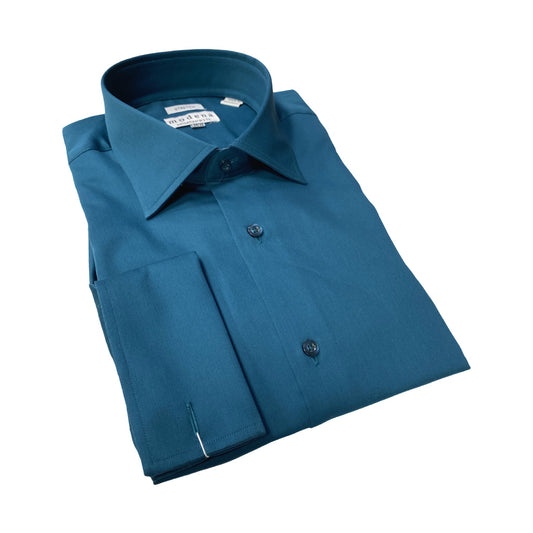
A men's blue designer shirt can work with either fabric direction. Smooth blue cotton offers a clean backdrop for patterned trousers, while a textured blue shirt adds more character to neutral bottoms. The shade matters, but the weave determines another part of the shirt's appearance.
Use these checks before choosing a shirt online:
- Read the composition: Check the fiber blend instead of assuming every seersucker shirt is 100% cotton.
- Inspect the fabric photos: Close-up images can reveal puckering, stripes, and surface details hidden in a standard product shot.
- Check the garment measurements: Fabric texture does not replace a proper fit. Compare the chest, shoulder, sleeve, and length measurements with a shirt you already own.
These details make it easier to choose a shirt you will wear regularly, rather than one that looks appealing only in its listing photos.
Seersucker and Cotton Questions Answered
Q1. Does every seersucker shirt have stripes?
A1. No. Stripes are common, but seersucker can also appear in solid colors, checks, and other patterns. The defining feature is its puckered surface rather than a specific print.
Q2. Can seersucker shirts be see-through?
A2. Some lightweight shirts may show more through the fabric than others. Check product photos and fabric details, and consider a suitable undershirt if opacity is a concern.
Q3. Will a cotton seersucker shirt shrink after washing?
A3. Cotton can shrink under unsuitable washing or drying conditions. Follow the care label and avoid high heat unless the manufacturer specifically permits it.
Q4. Can seersucker be worn outside summer?
A4. Yes, depending on the fabric weight and local conditions. A lightweight version may suit mild weather, while colder days usually call for an additional layer.
Q5. Does smooth cotton always feel softer than seersucker?
A5. No. Softness depends on the yarn, finish, and fabric construction. Smoothness describes the surface more than it determines how soft a shirt feels.
Q6. How should you choose a size when ordering a textured shirt?
A6. Start with the brand's size chart and garment measurements. Check the chest and shoulder fit carefully, since a different fabric texture does not necessarily mean the shirt has a roomier cut.
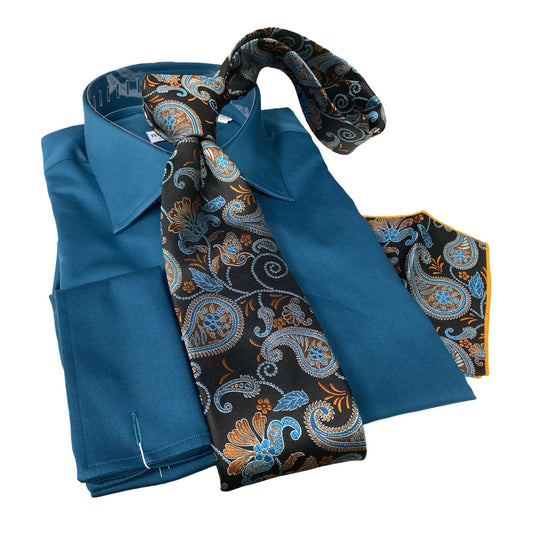
Q7. Can seersucker work with a tie?
A7. Yes, in suitable settings. A restrained shirt pattern and a simple tie can create a balanced combination, while a bold striped shirt may call for a plain tie.
Q8. Is smooth cotton a good option for a printed shirt?
A8. Yes. A smooth surface can make printed designs appear clear and defined. The result depends on the print, fabric finish, and colors used.
Choose Texture With a Purpose
A shirt earns its place in your wardrobe when it works with the trousers, shoes, and occasions you already have in mind. Seersucker brings visible texture and a relaxed character; smooth cotton offers a flatter finish with plenty of styling flexibility. Neither needs to replace the other.
When you buy men’s casual shirts online, pay attention to the construction as well as the color. Dolce Vita Fashions' men's shirt collection includes textured and smoother styles, giving you options for different outfits. Choose the fabric that fills a gap in your wardrobe, whether that means adding a distinctive seersucker shirt or choosing a smooth-cotton design for everyday wear.