



How to Recognize Better Construction in Men's Clothing
Summary:
Good clothing is not only about the fabric you can see. Stitching, seams, buttons, lining, fit and finishing can tell you a lot about how carefully a garment was made. When shopping men’s clothing online, knowing these details helps you judge quality before buying and choose pieces that feel better, fit better and stay useful in your wardrobe for longer.
Quality Starts Where You Can't Always See It
A garment can look impressive on a product page and still disappoint once you wear it. Small construction details often separate a well-made shirt, blazer or pair of trousers from one that simply looks good at first glance.
Look closely at the inside of a garment. Seams should generally look neat, stitching should be consistent, and areas that receive regular stress should feel secure. These details may not grab attention in a store window, but they matter every time you put the garment on.
Turn the Garment Inside Out
One of the easiest quality checks is also one of the most overlooked.
Look at the inside seams. Good construction usually shows even stitching, clean edges and seams that sit flat instead of twisting or puckering. Loose threads do not automatically mean a garment is poorly made, but a large number of them should make you look more closely.
Pay extra attention to places that experience movement:
- Under the arms
- Around pockets
- Along the waistband
- At shoulder seams
- Around buttons and buttonholes
A garment has to handle daily movement, washing and repeated wear. Strong construction helps it do that.
Count the Stitching, Not Just the Price
More stitching does not automatically mean better clothing. What matters is consistency and suitability for the fabric and garment.

Look for straight rows without sudden gaps or crooked sections. Thread tension should appear even. Seams should not pull apart easily when the fabric moves.
Dolce Vita Fashions' own linen quality guide points to even stitching, flat seams and clean internal finishing as useful signs when judging garment construction. It also notes that details such as felled seams can provide stronger, cleaner finishing.
That principle applies beyond linen. A shirt, trouser or jacket should look properly finished inside as well as outside.
Buttons Tell a Bigger Story
Buttons are small, but they receive plenty of use.
Check how securely they are attached. Give them a gentle touch and look at the stitching underneath. Buttonholes should have clean edges and even stitching rather than loose fibers around the opening.
The button itself also contributes to the garment's overall finish. Depending on the piece, you may see shell, horn, resin, metal or other materials.
A good button should suit the garment rather than look like an afterthought.
This is particularly noticeable on shirts. A premium shirt can have excellent fabric, but poorly finished buttons can make the whole piece feel less refined.
Look at the Collar and Cuffs
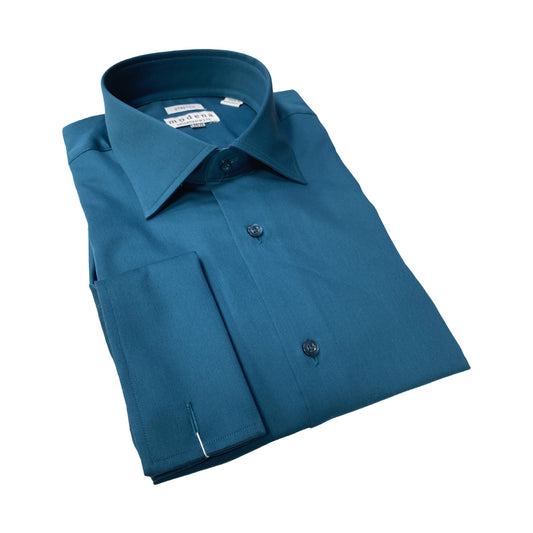
A shirt's collar tells you a lot about its construction. It should sit neatly and hold its intended shape. The collar points should look balanced, while the stitching around the edge should remain clean.
Cuffs deserve the same attention on long-sleeve shirts. They should feel secure and maintain their shape instead of becoming loose after limited wear. Short-sleeve shirts have a different detail to inspect, the sleeve hem. It should look even and sit naturally around the arm without unwanted puckering. These are small areas, but they sit in plain sight.
Fabric Is Only Half the Equation
A garment made from an expensive fiber is not automatically well made.
Fabric quality matters, but construction determines how that material becomes clothing. Two shirts can use similar cotton or linen and still have very different results because of their cut, stitching, finishing and pattern placement.
So don't stop at the fabric label. Ask what has been done with the material.
A Good Fit Is a Construction Signal
Fit is not just a style preference. It can reveal how thoughtfully a garment has been designed. A well-cut shirt should give your shoulders enough room while avoiding excess fabric around the waist. A blazer should sit properly across the shoulders, and its sleeves should fall naturally from the arm.
Jeans and trousers need their own checks. Look at the rise, seat, thigh and leg shape rather than focusing only on the waist measurement. A garment can use excellent materials and still look awkward if the proportions are wrong.
Check the Pattern Placement
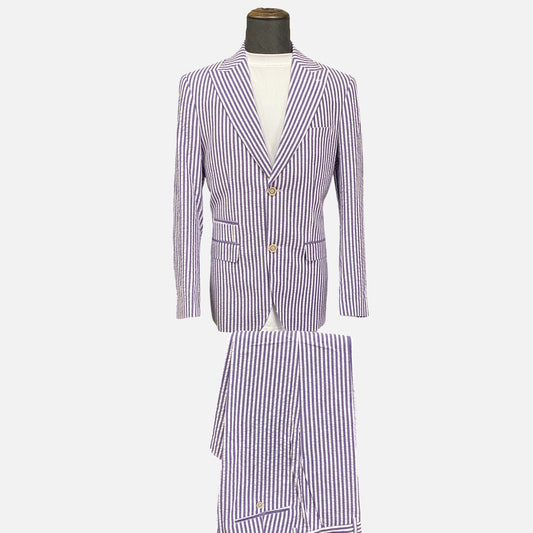
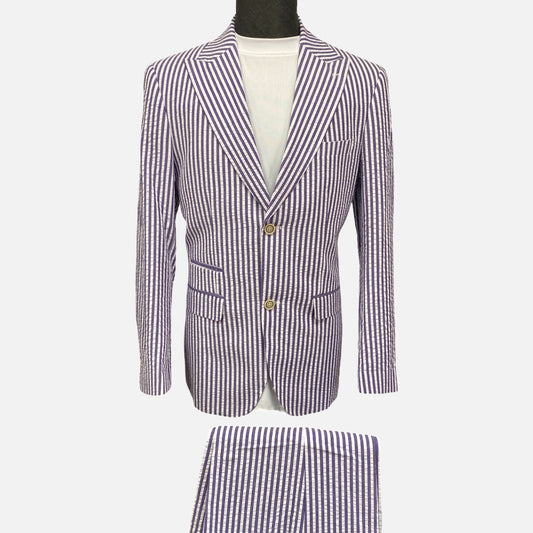
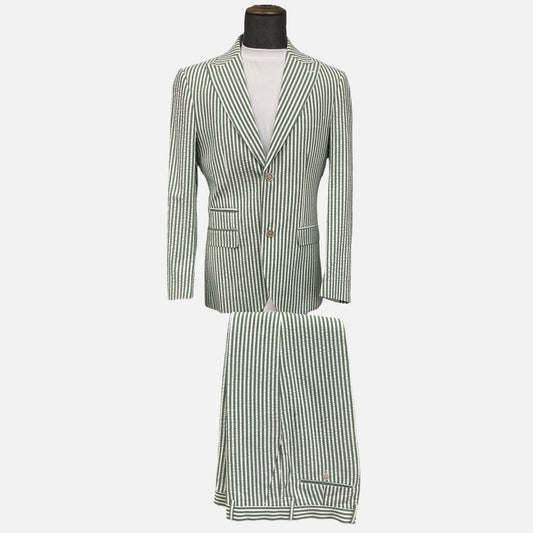
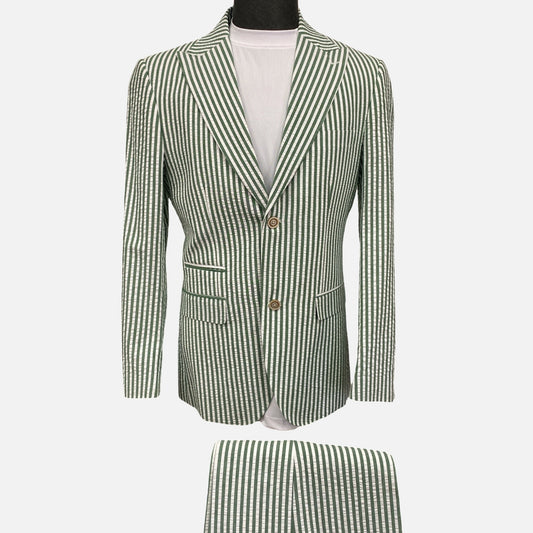
This is an easy test for patterned shirts, jackets and trousers. Look at stripes, checks or repeating designs around seams. Better construction often means the maker has paid attention to how patterns meet across important sections.
Perfect matching is not required for every garment, especially on complex designs. Still, obvious mismatches around a prominent pocket, front placket or center seam can make a piece look less finished. It is one of those details you may not notice immediately. Once you start looking for it, though, the difference becomes clear.
Jackets Need a Different Inspection
Blazers and suits have more construction points than simple shirts.
Check the shoulders first. They should sit smoothly rather than creating bumps or collapsing beyond your natural shoulder line.
Then examine:
- Lapel shape
- Sleeve attachment
- Button placement
- Pocket construction
- Inner lining
- Jacket drape
- Trouser waistband and closure
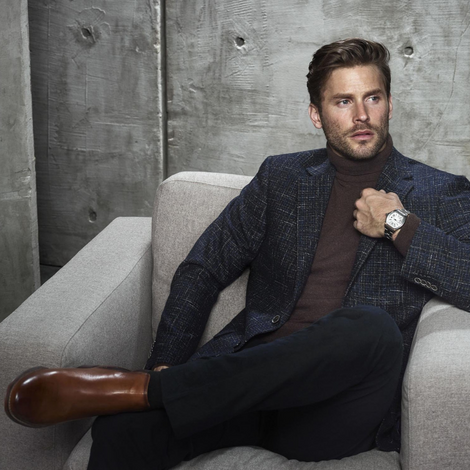
A good blazer should maintain its shape without feeling stiff.
Pockets Need Strong Construction
Pockets take more abuse than many other parts of clothing.
People put phones, wallets, keys and hands into them constantly. Check the stitching around the pocket opening and look for reinforcement at stress points.
Trouser pockets should sit naturally without pulling open when you stand. Shirt pockets should remain flat rather than creating unwanted bulges around the stitching.
Pocket placement also affects appearance. A poorly positioned pocket can make an otherwise good garment look unbalanced.
What Changes When You Shop Online?
You cannot physically turn an online garment inside out before purchasing it. That means product information becomes much more important.
When shopping men’s clothing online, look for detailed descriptions that tell you about:
- Fabric composition, such as cotton, linen, wool or elastane blends.
- Fit, such as modern, contemporary, straight or relaxed.
- Construction details, such as lining, cuffs, closures and tailoring.
- Measurements, including chest, waist, inseam or sleeve length where provided.
- Care instructions, which can give clues about how the garment should be maintained.
Dolce Vita's online catalog provides fabric and fit information on many current products, including detailed compositions for shirts, jeans and tailored pieces.
That information is worth reading before you focus on the product photo.
Better Construction Does Not Always Mean Heavier Clothing
A common mistake is assuming that heavier automatically means better.
It does not.
A summer linen shirt should feel different from a wool blazer. Lightweight construction can be completely appropriate when the garment is designed for hot weather. Instead of asking, “Is this fabric heavy?” ask, “Does this garment feel properly made for what it is supposed to do?”
That is a much better test.
Price Can Help, But It Cannot Decide
A higher price can reflect better fabric, construction, branding or design. It can also reflect things unrelated to the garment's actual performance.
Look at the clothing itself.
A $200 shirt with poor finishing is not automatically better than a $100 shirt with strong construction. The smart buyer considers fabric, fit, stitching, hardware and intended use together.
That approach becomes especially useful when comparing several products online.
A Simple Quality Check Before You Buy
You do not need to inspect every thread.
Focus on the areas that tell you the most:
- Does the fabric suit the purpose?
- Does the fit make sense for the cut?
- Are the seams clean?
- Do buttons and closures look secure?
- Are collars, cuffs and hems properly finished?
- Does the garment description provide useful construction details?
- Can you find clear sizing and care information?
If most of those answers look good, you are probably looking at a more thoughtfully made garment.
Questions Worth Asking Before Buying Better Clothing
Q1. What is the easiest way to tell if men's clothing is well made?
A1. Check the seams, stitching, buttons, buttonholes, hems and overall fit. These areas reveal how carefully a garment has been constructed.
Q2. Does expensive clothing always have better construction?
A2. No. Price can reflect several factors, including brand and design. Examine the fabric, stitching, fit and finishing instead of relying only on the price.
Q3. What should good shirt stitching look like?
A3. Stitching should generally look even and secure, with clean seams and few loose threads. The fabric should not pucker around the stitching.
Q4. Why are buttonholes important?
A4. Buttonholes receive repeated stress every time you dress. Clean, tightly finished edges can help prevent fraying and give the shirt a more polished finish.
Q5. How can I check clothing quality when shopping online?
A5. Read the fabric composition, fit description, measurements, care instructions and construction details. Product photos can also help you inspect collars, cuffs, seams and closures.
Q6. Does fabric quality matter more than construction?
A6. Both matter. Good fabric can improve comfort and appearance, while strong construction affects how the garment fits, moves and holds up during regular wear.
Q7. What should I check on a men's blazer?
A7. Pay attention to shoulder fit, lapels, sleeve attachment, lining, pockets and overall drape. The blazer should keep its shape while allowing natural movement.
Q8. Is lightweight clothing lower quality?
A8. No. Weight should suit the garment's purpose. Linen and lightweight cotton can be excellent choices for summer, while wool may make more sense for tailored clothing and cooler conditions.
Look Past the Label
Dolce Vita Fashions brings together menswear where fabric, fit and finishing work together rather than simply relying on a brand name. Our Dolce Vita menswear collection includes shirts, jeans, blazers, sweaters and tailored pieces from established labels.
When browsing men’s clothing online, take a closer look at the stitching, materials, closures and construction. Those details can tell you far more about a garment than a product photo alone, helping you choose pieces that look sharp, feel comfortable and deserve regular space in your wardrobe.